Driving in Chile is one of the best ways to explore the country's diverse landscapes — from Santiago's modern city highways to the coast of Valparaíso, the vineyards of the central valleys, and the lakes and fjords further south. But visitors are often surprised by Chile's toll system: it's one of the most expensive in Latin America, and it works differently inside Santiago compared to intercity roads.
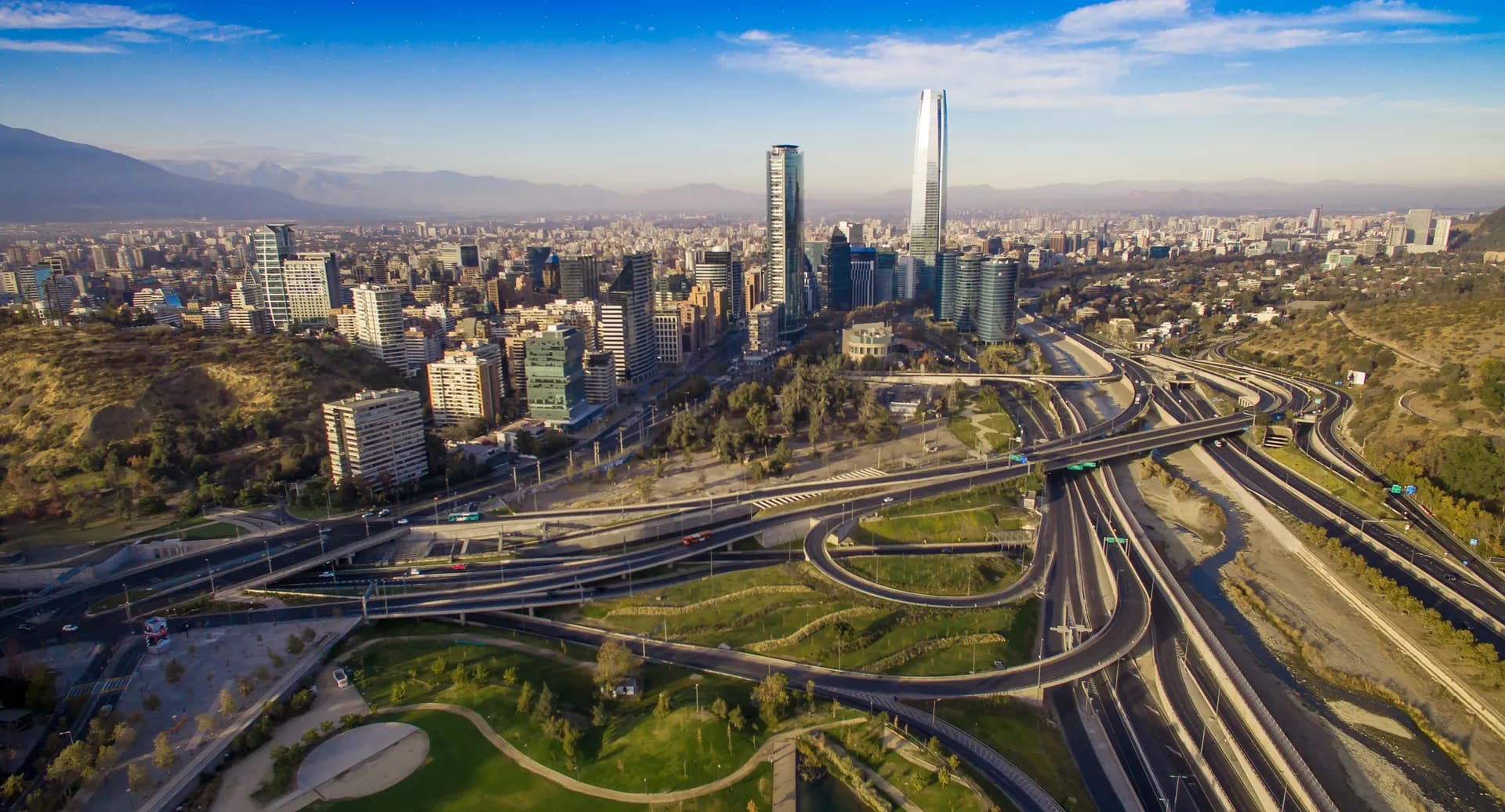
Every rental car in Santiago already comes with a TAG, so you don't need to worry about setup.
If you were to drive without TAG, you'd need to buy a day pass (~USD 12 per highway), which quickly becomes more expensive than using TAG.
Outside Santiago, most highways still use traditional toll booths, where you stop and pay in cash (Chilean pesos), or sometimes with a credit card.
Most major toll highways (Santiago and intercity routes) have their own 24-hour roadside assistance included in the toll price. You can usually call the emergency number shown on roadside signs, or press SOS posts along the route. Patrol vehicles regularly circulate to assist.
Municipal security services in Chile have legal authority to enforce traffic regulations. Here is what they can do, the penalties (fines and impoundment), and recommendations for drivers.