Chile has a very diverse climate because the country stretches over 4,000 km from north to south. Weather conditions can vary greatly depending on where you are.
Summer: December – March
Autumn: March – June
Winter: June – September
Spring: September – December
Seasons are opposite to Europe and North America.
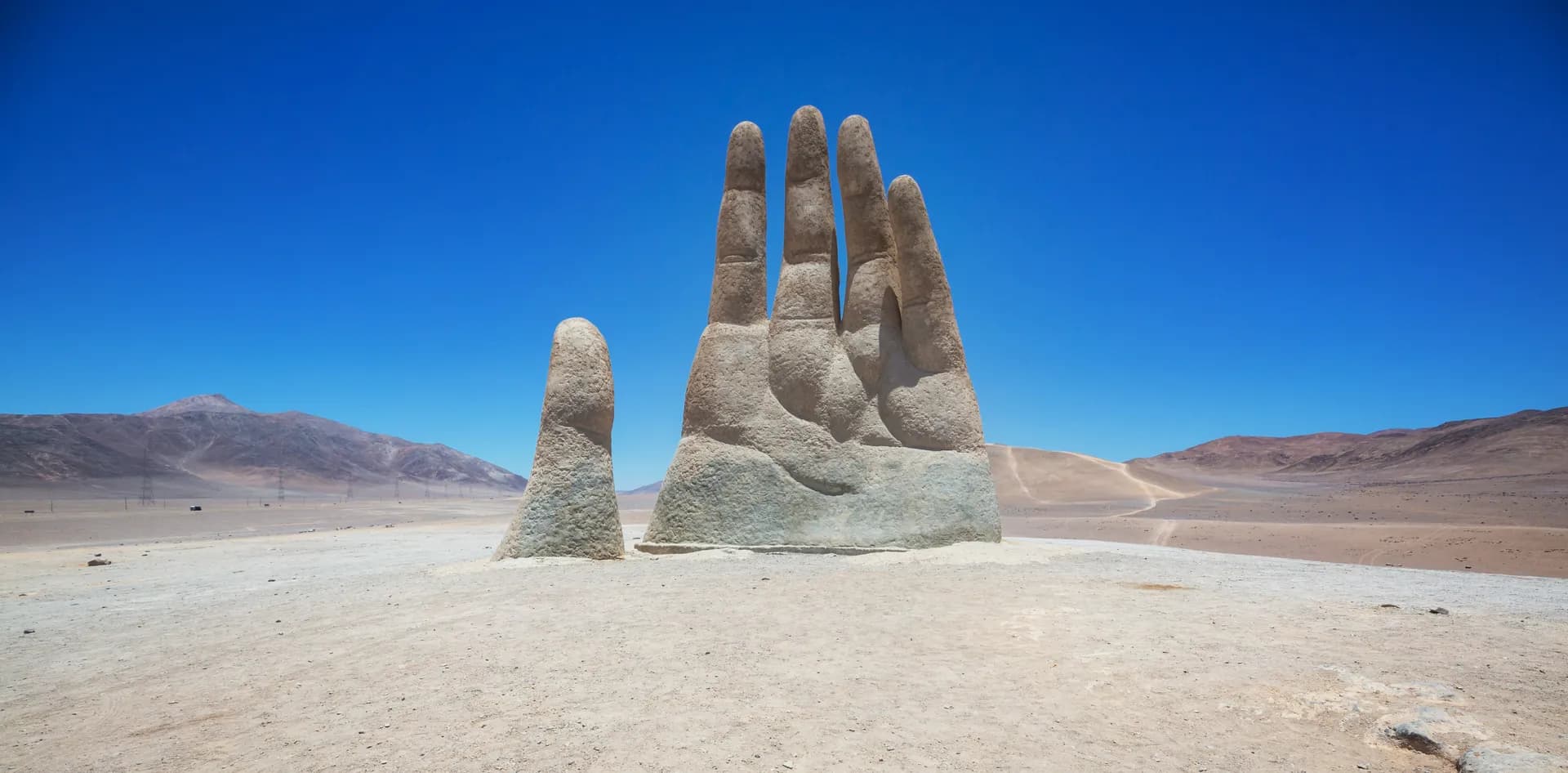
Northern Chile includes the Atacama Desert, one of the driest places on Earth. In many coastal and inland areas, rainfall is extremely rare. The climate is mostly dry and sunny year-round, with very high solar radiation.
Central Chile has a Mediterranean climate and is home to most of the country's population. Summers (December–March) are hot, dry, and sunny, with temperatures in Santiago frequently exceeding 30°C and occasionally reaching 35–38°C during heatwaves. Winters (June–August) are cooler and wetter, with most of the annual rainfall occurring during this period. Snow is common in the Andes mountains but very rare in central urban areas such as Santiago.
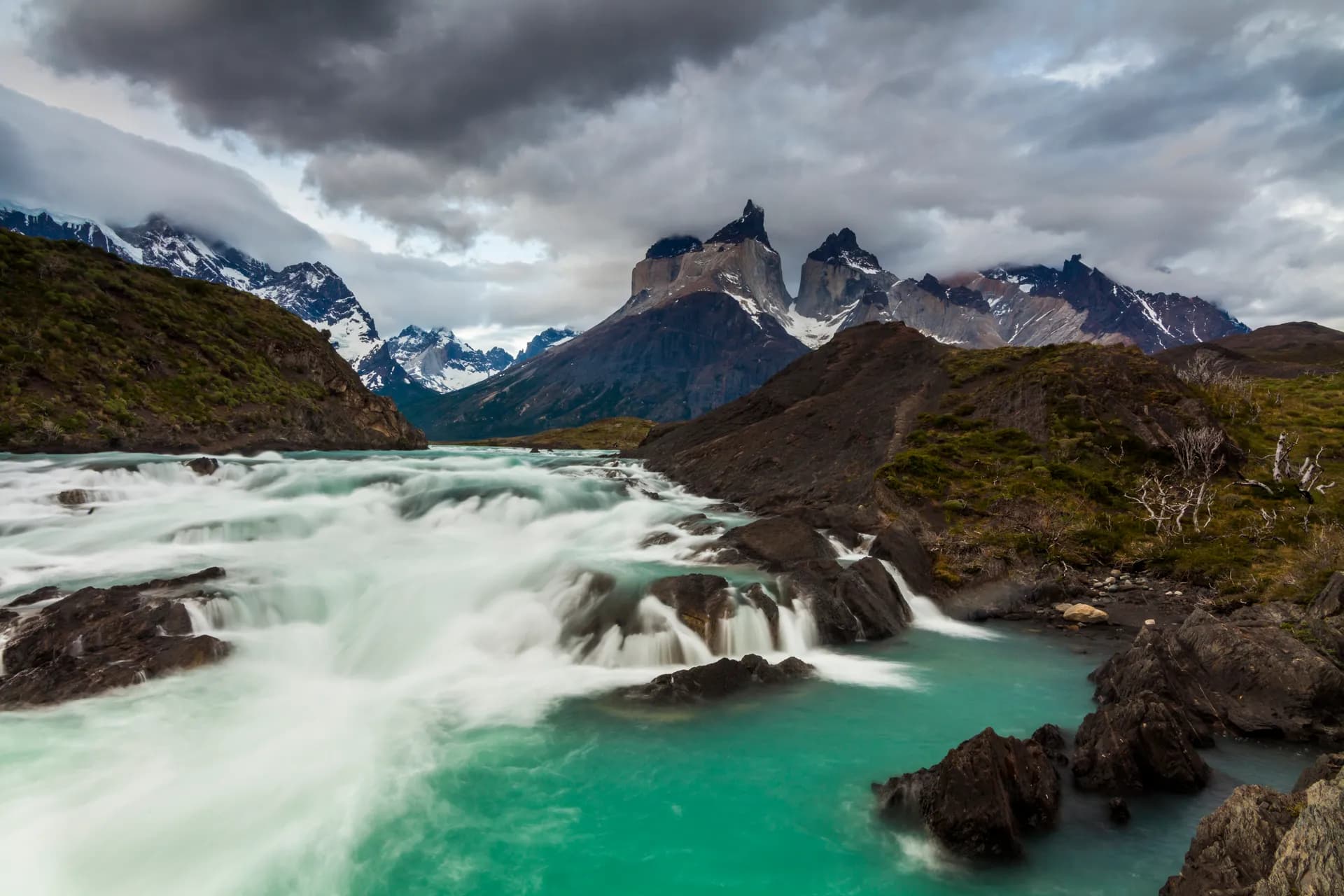
Southern Chile has a cooler, temperate climate. Rainfall increases significantly moving south, especially in the Lake District and Patagonia. Rain is frequent throughout much of the year. Winters are colder, and snow is common in mountainous areas. Patagonia is known for strong and persistent winds.