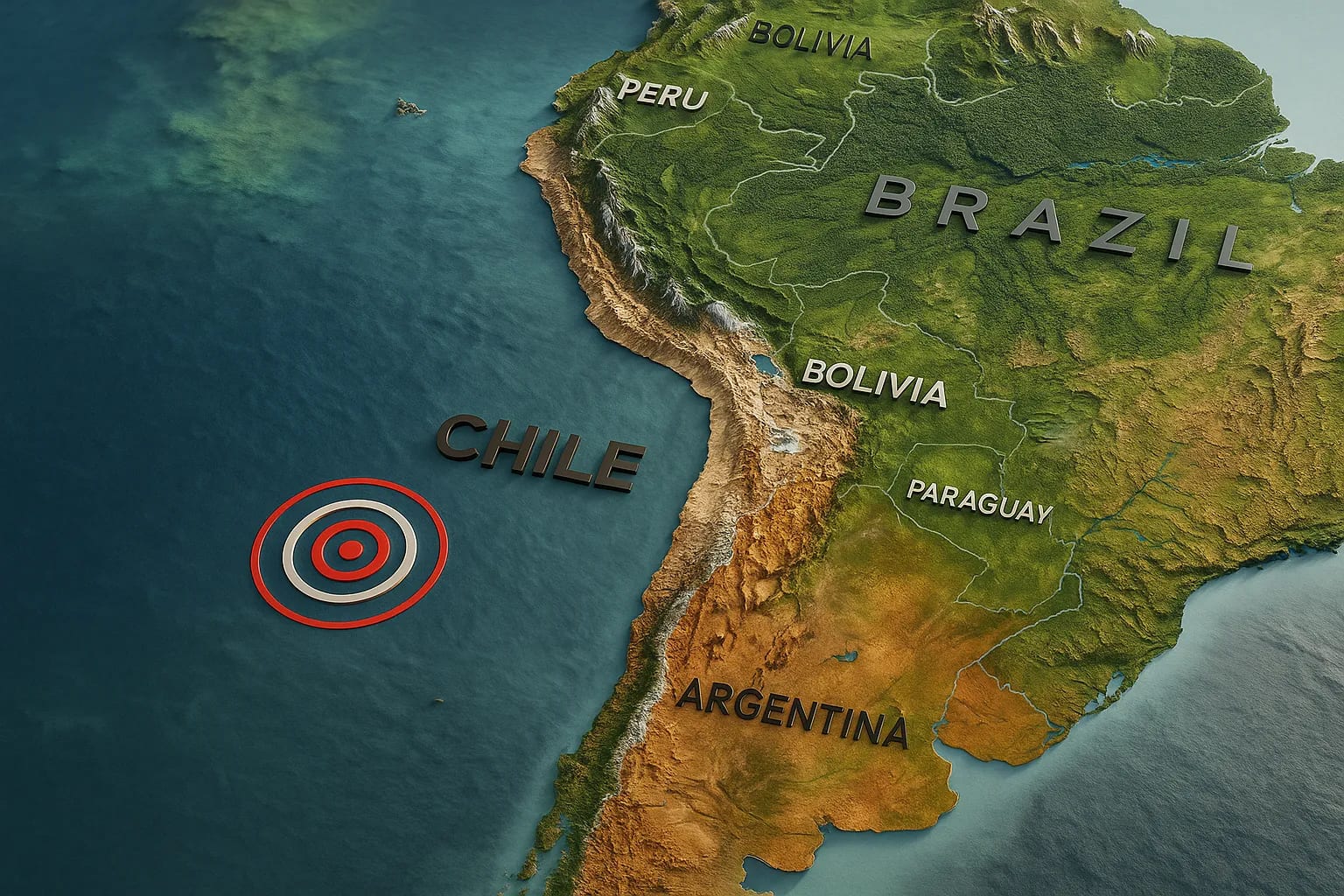
Why So Many Big Earthquakes?
Chile's unique geological position makes it a hotspot for massive earthquakes. Understanding the science helps explain both the danger and Chile's remarkable resilience.
While Chile has a dramatic seismic history, it is also one of the safest countries in the world to experience earthquakes. Decades of learning from disasters have created a world-class safety system.
These are the most powerful earthquakes ever recorded in Chile, ranked by magnitude. Each tells a story of destruction, resilience, and scientific advancement.
The most powerful earthquake ever recorded worldwide. Triggered tsunamis that reached Hawaii, Japan, and even the Philippines. Despite devastation, it reshaped global earthquake science.
Known as the 27F earthquake, striking central Chile at 03:34 am. Generated a massive tsunami, but modern building codes saved thousands of lives.
Historical quake that devastated Arica (then part of Peru). Tsunami waves reached California, New Zealand, and Japan.
Another massive northern quake, followed by a destructive Pacific-wide tsunami. This event pushed scientists to study "tsunami earthquakes."
Shook northern Chile with a violent tsunami. Its waves reached Central America and even New Zealand.
One of Chile's deadliest, with 5,648 deaths. Adobe houses collapsed, leading to modern construction reforms.
Destroyed much of the country's main port and damaged Santiago. Over 3,000 deaths, highlighting urban vulnerability at the time.
A modern megathrust quake. Thanks to strict building codes and fast evacuation, casualties were low. Proof of Chile's world-class seismic safety today.
Central-northern Chile was heavily affected. Dozens of towns suffered major structural damage.
Hit the coastal city at night. Modern structures resisted well, showing advances in engineering.
Known as the 1985 Santiago earthquake. Thousands of buildings damaged, but relatively few casualties.
Shook the southern tip of Chile. Sparse population meant limited damage and casualties.
Chile's unique geological position makes it a hotspot for massive earthquakes. Understanding the science helps explain both the danger and Chile's remarkable resilience.
Chile sits directly on the Nazca–South American subduction zone, part of the Pacific Ring of Fire.
The Nazca Plate moves eastward and sinks under the South American Plate, building up stress over decades.
The same forces that create earthquakes also formed the Andes Mountains and fuel volcanic activity.
Chilean earthquakes often cause tsunamis that can cross the entire Pacific Ocean.
The Subduction Process
The Nazca Plate moves eastward at about 6-7 cm per year, diving beneath the South American Plate. This creates enormous pressure that builds up over decades or centuries. When the stress becomes too great, the plates suddenly slip, releasing massive amounts of energy in the form of earthquakes. This same process continues to push up the Andes Mountains and creates the volcanic activity that dots Chile's landscape.
While Chile has a dramatic seismic history, it is also one of the safest countries in the world to experience earthquakes. Decades of learning from disasters have created a world-class safety system.
Strict seismic building codes mean skyscrapers in Santiago and homes in Valparaíso are designed to sway without collapsing.
Earthquake drills are part of school life; Chileans know how to react calmly.
Coastal towns have evacuation routes, sirens, and real-time monitoring.
The Centro Sismológico Nacional is a global reference in earthquake research.
What This Means for Travelers
Today, when the earth moves in Chile, it is usually an exciting reminder of nature's power rather than a catastrophic event. Travelers often feel small tremors—known as temblores—that are more fascinating than dangerous. Chile's modern infrastructure, strict building codes, and well-prepared population make it one of the safest places in the world to experience seismic activity.
Chile's earthquakes tell the story of a land shaped by powerful geological forces. From Valdivia's 1960 megaquake to modern, well-managed events like Iquique 2014, Chile has moved from tragedy to world-class resilience.
Visiting Chile today, you can explore its mountains, fjords, and valleys with confidence. The ground beneath your feet may tremble occasionally—but in this country, it's part of the adventure of living in harmony with one of Earth's most dynamic landscapes.
"Chile's journey from earthquake devastation to seismic safety leadership shows how science, engineering, and community preparedness can transform natural disasters into manageable events. It's a model for the world."
Hero image: Seismic activity visualization showing Chile's position on the Pacific Ring of Fire
Rent a car and start your journey through these incredible destinations.
Browse Our Fleet