

The Ultimate Desert Adventure
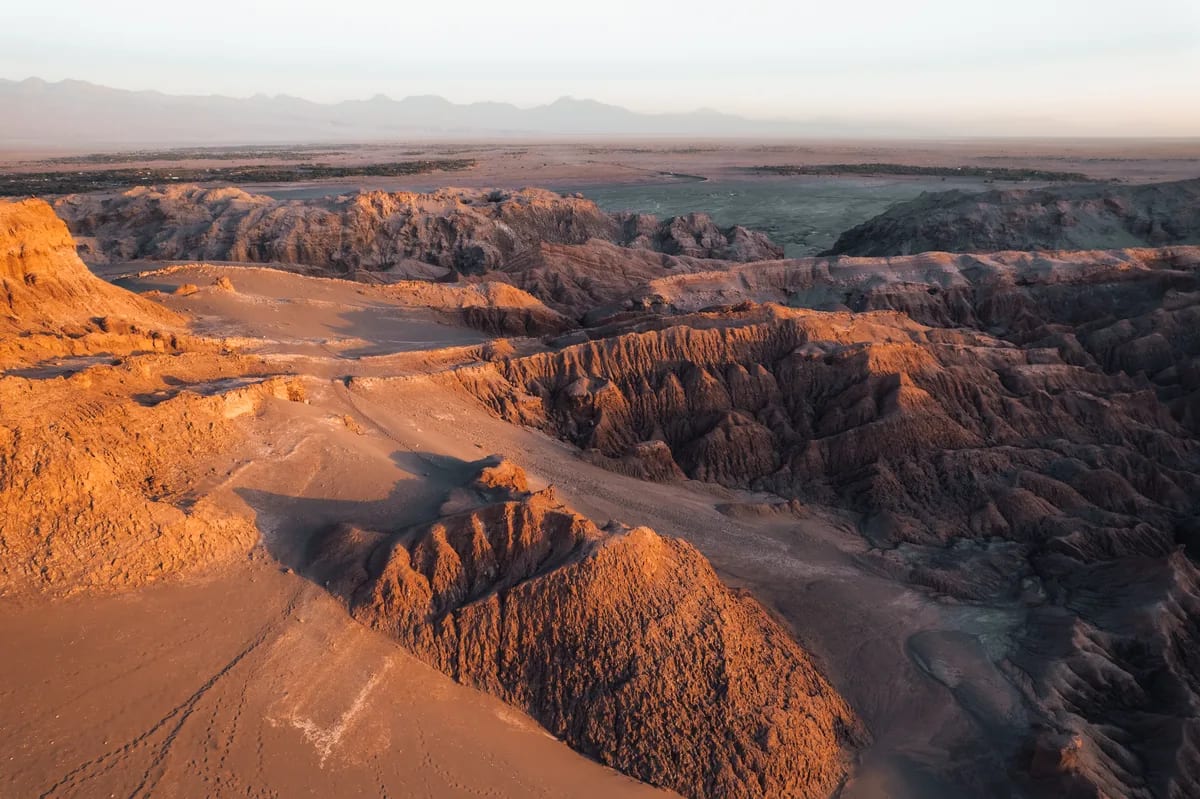
The Atacama Desert, stretching across northern Chile and bordering Bolivia and Argentina, is unlike anywhere else on Earth: a vast landscape of salt flats, turquoise lagoons, steaming geysers, and volcanoes rising above the horizon. Covering more than 105,000 km² (40,000 mi²), it is the driest non-polar desert in the world—some valleys here have never recorded a drop of rain.
For travelers who crave independence, renting a car is the best way to discover this otherworldly terrain. Driving in the Atacama is not particularly difficult, but it does demand respect for the desert, your vehicle, and the elements.
Essential Driving Tips for the Atacama
With good preparation, the road becomes part of the adventure. Here are the essential tips for driving in the Atacama, step by step.
Prepare Before You Drive
- Plan your route. Download offline maps, as mobile coverage disappears quickly outside San Pedro.
- Carry water, snacks, and cash. You may go 100 km (62 mi) or more without passing a service point.
- Check weather and road conditions. Rare rain can transform dirt tracks into sticky clay, while wind may cover paved roads with drifting sand.
Car Safety & Maintenance
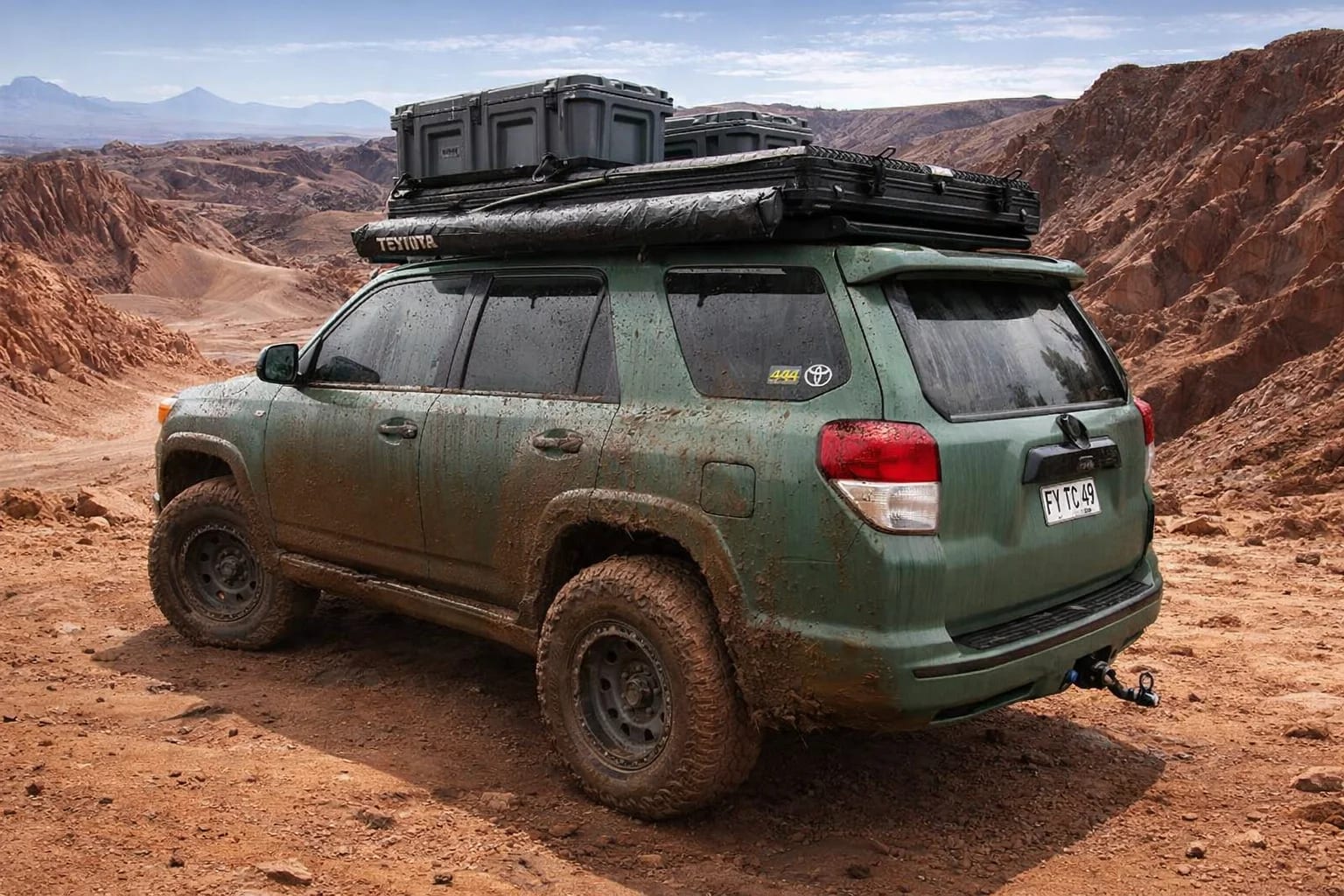
- Stay on marked roads. Avoid sand or wet clay. Damp clay can clog brake pads, damage wheel wells, and even seize moving parts.
- Prevent overheating. Climbing to high passes in strong sun pushes engines hard. Check coolant, avoid long revs, and rest the car if needed.
- Inspect tires and brakes. Gravel and salt crusts wear them quickly. Carry a spare tire, jack, and basic tools.
- Respect the desert. Off-road driving risks your car and damages fragile ecosystems.
Respect Road Conditions
- Sand traps: Even shallow sand can immobilize your vehicle. Park on solid surfaces and explore sandy terrain on foot.
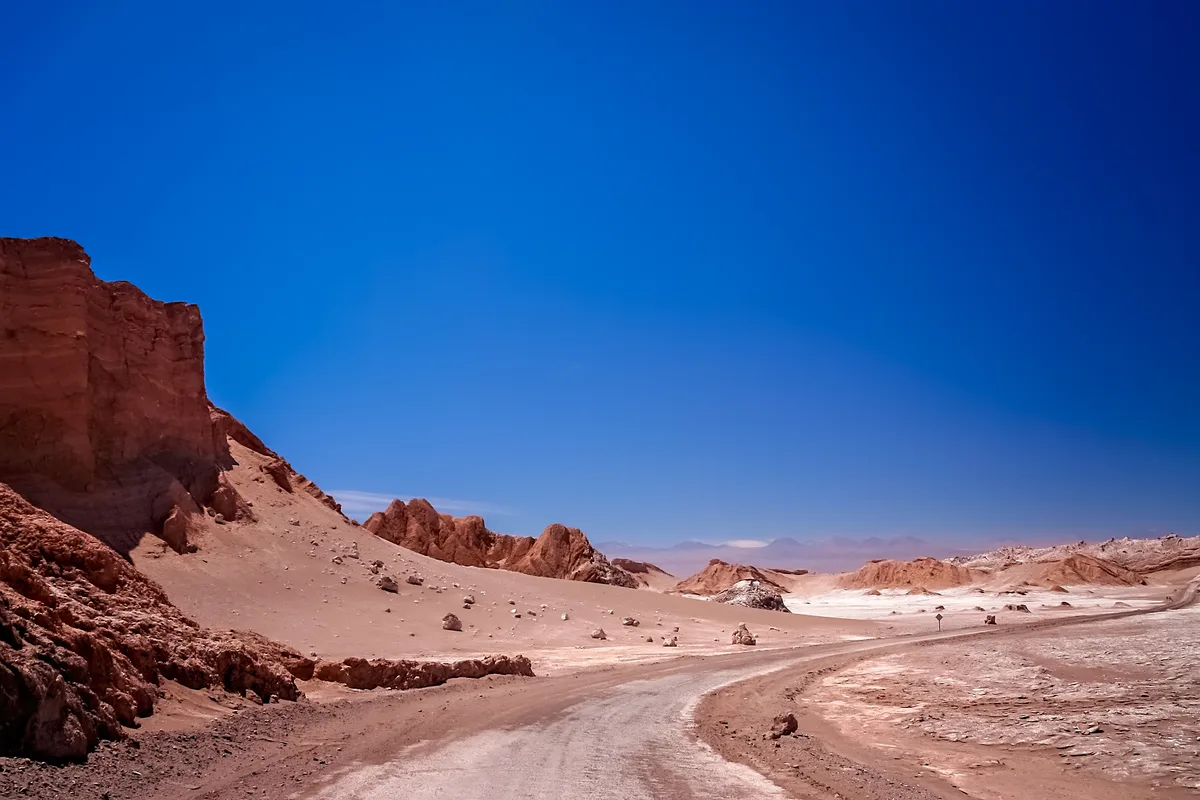
- Changing surfaces: Roads may shift abruptly from smooth asphalt to gravel, volcanic rock, or washboard. Adjust speed immediately.
- No guardrails: Be extra cautious on curves and descents—especially on canyon roads.
Control Your Speed & Timing
- Drive gently. On loose gravel or pebbles, skids happen suddenly.
- Avoid glare. At sunrise and sunset the desert light can blind you, especially on the Calama–San Pedro highway.
- Night driving: Magical yet dangerous. The road to El Tatio geysers climbs above 4,300 m (14,100 ft) in total darkness. If you go, drive slowly and follow other cars when possible.
Navigating San Pedro de Atacama
- Expect a maze. Adobe houses and dusty roads look similar, and signage is minimal.
- Parking is scarce. Leave your car in a designated lot and explore town on foot—it's safer and more enjoyable.
- Use landmarks. A mural, a colored gate, or a distinctive wall is more reliable than a street sign.
Watch for Wildlife
- The Atacama is alive with animals, often crossing roads without warning:
- Guanacos bounding in herds.
- Llamas and alpacas grazing near villages.
- Burros (donkeys) and horses, sometimes semi-wild.
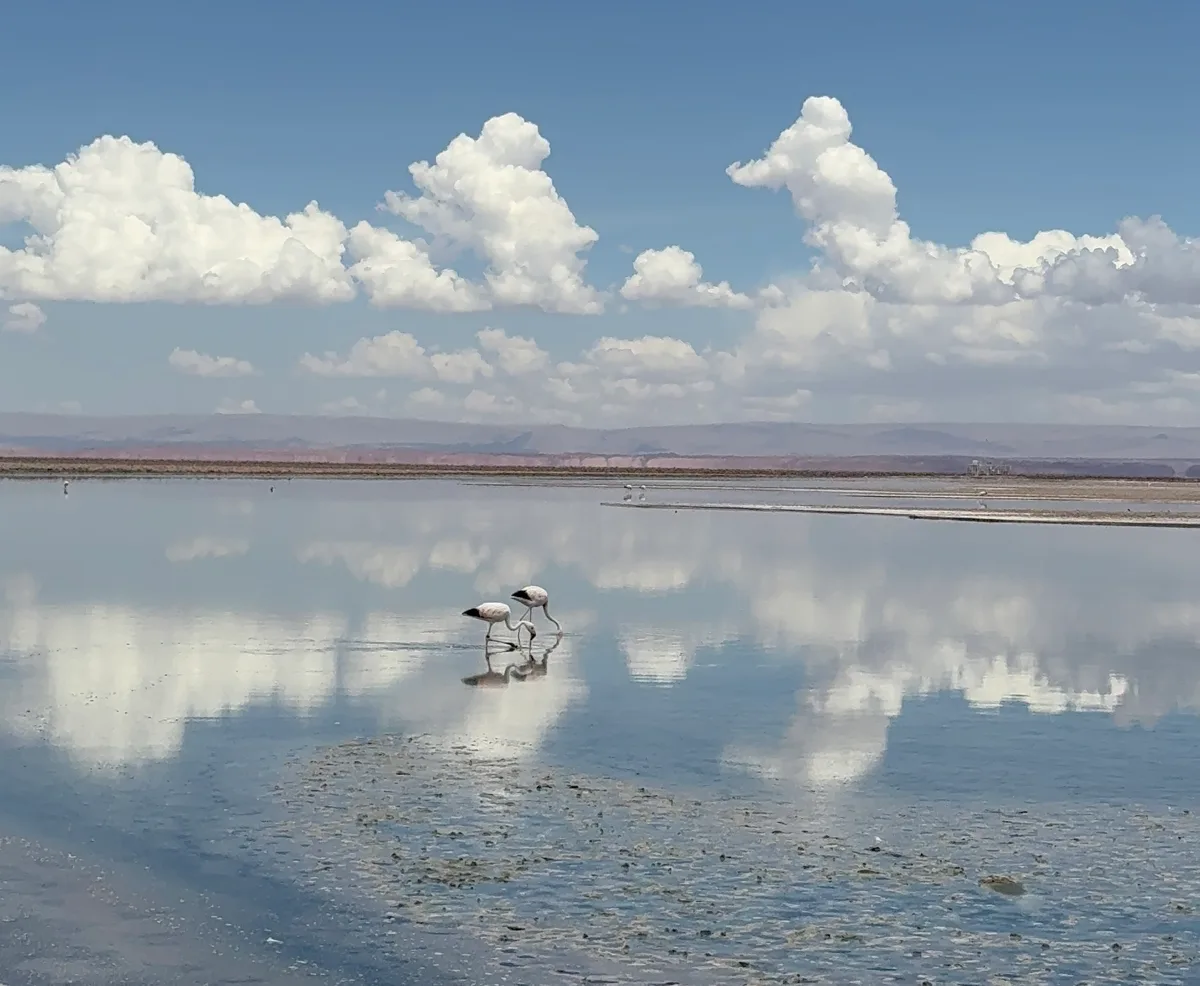
- Birds and flamingos darting near lagoons.
- Keep eyes on the horizon, slow down in hilly or grassy zones, and never assume a road is empty.
Fuel Management
- Only one gas station in San Pedro. Tucked away with long queues at peak hours.
- Refuel daily. Never let the tank drop too low—distances are vast.
- Note: fuel is sold by the liter, not by the gallon.
Extra Smart Habits
- Altitude awareness. Many routes climb beyond 4,000 m (13,100 ft). Stay hydrated, avoid sudden exertion, and rest if you feel dizzy.
- Tell someone your plan. Especially before heading to remote lagoons or volcanoes.
- Protect yourself from the sun. Sunglasses, sunscreen, and hats are as important as a spare tire.
Final Thoughts
The Atacama Desert is challenging yet magical. Driving here lets you discover hidden lagoons, surreal valleys, and the clearest night skies on Earth—all at your own pace. With preparation, respect for the terrain, and smart driving habits, you can experience this lunar landscape safely and confidently. There’s something grounding about touching this earth—the fine sand of the world’s driest desert—that reminds you why you came.
Remember: in the Atacama, the adventure isn't just about reaching your destination—it's about embracing the journey through one of the planet's most extraordinary natural wonders.
One of the desert's most iconic sights is the Mano del Desierto (Hand of the Desert): an 11-metre sculpture by Chilean artist Mario Irarrázabal, rising from the sand beside the Pan-American Highway between Antofagasta and Iquique. It symbolizes human vulnerability and connection to this vast landscape—a reminder that in the Atacama, the journey is felt with your hands in the earth.
Respect your car, respect the terrain, and you'll discover a world that feels closer to the moon than to Earth. In the Atacama, the journey is as unforgettable as the destination.
Driving the Atacama Desert – Preparation Checklist
Use this comprehensive checklist to ensure you're fully prepared for your Atacama adventure. Each section covers essential items and considerations for safe desert driving.
Before You Go
- Download offline maps (Google Maps / Maps.me)
- Share your route and estimated return time with someone you trust
- Carry car documents and a valid driver's license
- Cash in Chilean pesos (ATMs and card payments can be scarce)
- Route and schedule plan (avoid sunrise/sunset for driving)
Vehicle
- Check tires (including spare), brakes, and lights
- Bring a basic kit: jack, tools, jumper cables, flashlight
- Check coolant and oil levels (avoid overheating)
- Fill the tank in San Pedro (only gas station) and refuel daily
- Do not drive on loose sand or wet clay (it can clog brakes and damage parts)
Driver & Passengers
- Water: at least 3 liters per person/day
- Snacks: nuts, energy bars, cookies
- Sun protection: sunscreen, sunglasses, hat
- Layered clothing: hot days, very cold nights
- Altitude caution (4,000 m+ / 13,100 ft+): climb slowly, hydrate, rest if dizzy
On the Road
- Drive calmly: surfaces change suddenly from asphalt to gravel/rock
- Watch for wildlife: guanacos, llamas, alpacas, donkeys, horses, birds
- Avoid driving during sunrise/sunset (low sun → glare)
- Drive at night only if necessary and keep speed low
- Bring a charged phone or camera: landscapes are unforgettable
Extra Recommended
- Portable chargers / power bank
- Small fire extinguisher
- First-aid kit
- Work gloves & light blanket
- Radio or app with offline GPS (no signal in many areas)