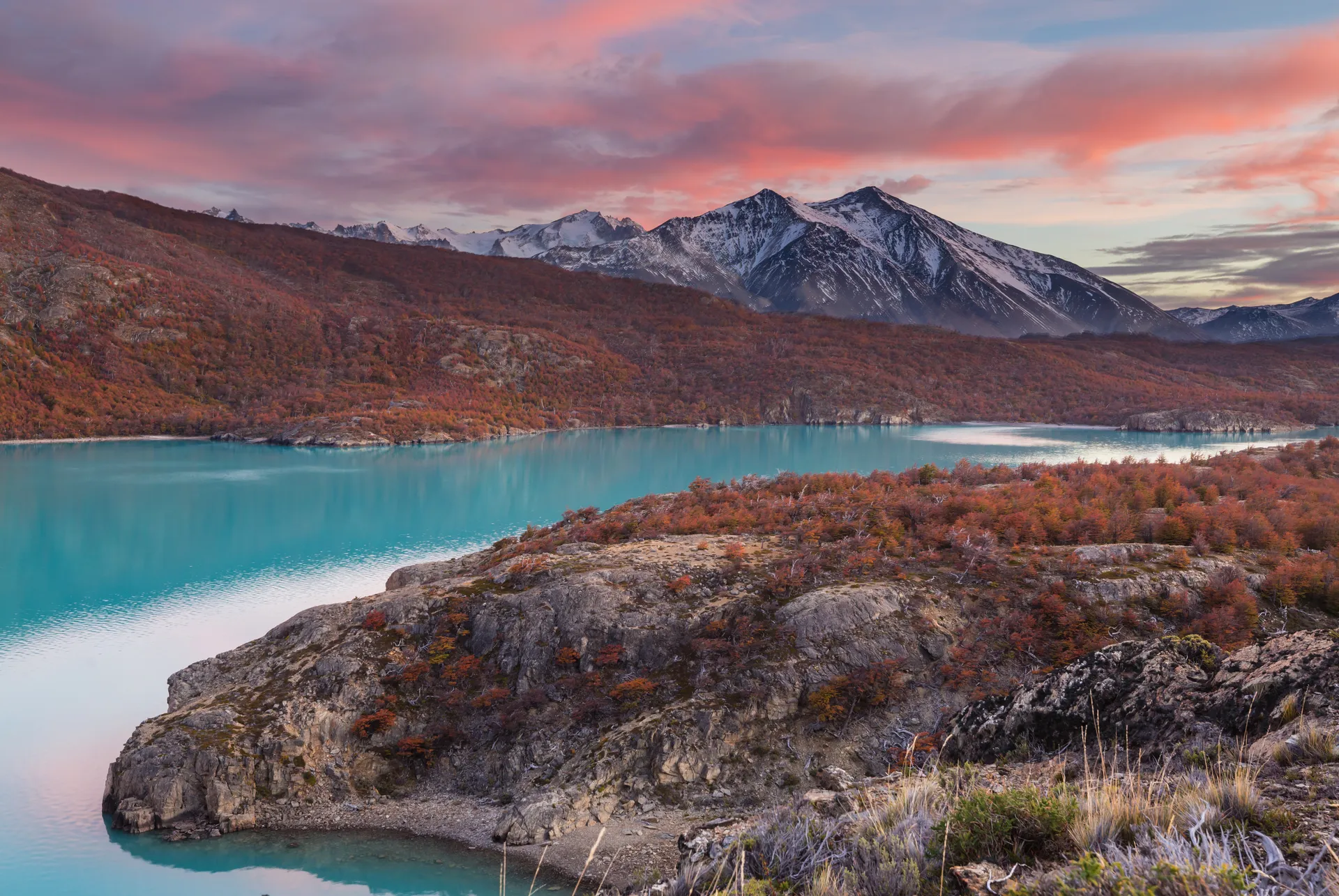
Patagonia is a year-round destination. Each season is unique; there is no single best or worst time to visit. Plan according to what you want to do and see. Wildlife can be spotted year-round, with some migratory species best seen in spring and summer.
The main tourism season runs from early September to late April; May to August is quieter. Peak season is mid-December to January. For travel during holiday weeks, book at least 6 to 9 months ahead when possible.
Patagonia's weather is famously unpredictable—rain, wind, sun, and even snow can occur in a single day. Seasons are opposite to the Northern Hemisphere. No matter when you travel, Patagonia's beauty will take your breath away.
Below is a concise overview of what each season offers to help you decide when to visit.
Summer brings the warmest conditions, with highs around 72°F (22°C). In winter, overnight lows can drop to 32°F (0°C). Winter also has the least wind—often calm for days—while wind chill in other seasons can make it feel roughly 30°F (6°C) colder than the actual temperature.
Rain is most frequent in autumn (April and May). Light rain also occurs between November and January. In winter, precipitation often falls as snow at night, creating striking landscapes by morning.
Patagonia is known for wind. For much of the year expect 15–20 km/h (9–13 mph). In summer, gusts can reach around 120 km/h (74 mph). Winter is the calmest season, with still days that are ideal for photographing reflections on the region's lakes.
December - February
March - May
June - August
September - November
These are the must-visit destinations in Chilean Patagonia, each with optimal visiting times based on weather and accessibility.
Hub for Northern Patagonia, San Rafael Glacier boat trips, Queulat NP, scenic drives
Base for Torres del Paine, boat tours, local culture
Iconic granite towers, diverse wildlife, world-class trekking
Gateway to Antarctica, penguin colonies, historic charm
Chile's southernmost town, Dientes de Navarino trek, Cape Horn expeditions
Southernmost point of South America, dramatic landscapes
Important: Chile's world-class ski resorts are located in the central and southern Andes, NOT in Patagonia proper. When people mention "skiing in Chile," they're referring to resorts near Santiago and central Chile.
Central Andes
Distance: 60km from Santiago
Central Andes
Distance: 164km from Santiago
Southern Andes
Distance: 80km from Chillán
Araucanía Andes
Distance: 120km from Temuco
Peak Season: December - March
Sweet Spot: October-November, March-April
Always Expect: Wind and rapid changes
Golden Hours: Extended in summer
Longest days (up to ~18h sunlight), comfortable hiking weather, abundant wildlife and fly fishing, glaciers most accessible.
One of the warmest months; 16+ hours daylight. Ideal for kayaking, rafting, and outdoor adventure.
End of summer, start of fall. Fewer international visitors; excellent for horseback riding, hiking, and birdwatching.
Shoulder season. Easier to spot puma and cub tracks; perfect for fall weather and horseback riding at Lago Argentino.
Autumn gives way to winter. Ideal for puma tracking and hiking; morning mists on Paine Massif; wildlife active in Los Glaciares. Shorter days, fewer visitors.
Winter tranquility; parks to yourself. Stunning sunrises; whale-watching season in Patagonia. "Longest night" celebrations.
Cold nights and frosty mornings. Exclusive hotels open; prime time for puma tracking and winter photography. Strong wildlife-spotting opportunities.
Winter sports available; temps from 30s°F at night to 40s°F by day. Fewer crowds; easier to glimpse pumas around Torres del Paine.
Lodges reopen; days lengthen quickly. Crisp weather for hiking and sightseeing; animals in lower valleys near trails and roads.
Spring in full swing; wildlife and fly fishing pick up. Perfect for glacier trekking; tranquil days with vibrant flora.
Heart of spring; baby guanacos thrive; wildflowers (guanaco bush, orchids, firebush) bloom. Ideal fly fishing and trekking.
Summer begins. Highs around 60–70°F; 16+ hours daylight. Towns host craft fairs and festivals; ideal for all outdoor activities.
Summer (Dec–Feb): extended daylight and warm temperatures favour kayaking, horseback riding, bird watching, and full trail access. Autumn (Mar–May): fall colours and quieter trails suit hiking, photography, and wildlife (guanacos, Andean condors). Winter (Jun–Aug): puma tracking in Torres del Paine, winter photography, and stargazing under clear skies. Spring (Sep–Nov): fly fishing, trekking as snow melts, and wildlife and wildflowers at their best.
Sunshine varies by season: summer sees roughly 8–10 hours of sun per day (long daylight), winter about 3–5 hours. Spring and autumn average around 6–8 hours. Precipitation: summer typically has 4–6 rainy days per month; autumn can see 10–12; winter 5–8 with snow in the parks; spring 8–10. December is often drier (around 2 rainy days). Always pack for wind and rapid changes.
Patagonia doesn't forgive poor planning, but it rewards those who come prepared. Understanding the seasons is the first step to an unforgettable adventure in one of the world's last great wildernesses.
Rent a car and start your journey through these incredible destinations.
Browse Our Fleet